Problems We Solve
Improving Customer Communication with Connected Software
Customers reach out when your systems know something they don't.
Start with our AI agent. Find your next step.
Operating Friction
Signs customers are left guessing
- Customers call to ask where things stand
- Renewals arrive as a surprise
- Updates depend on who owns the account
Customers don't call because they want to talk to you. They call because they don't know what's happening.
An order ships, and the customer doesn't know when to expect it. A project completes, but nobody notifies them. An invoice comes due, but nobody reminds them, so it goes unpaid. A renewal date approaches, and they're surprised to hear from you because you haven't mentioned it.
When communication breaks down, customers get frustrated. They send emails. They call. They go somewhere else.
The fix isn't hiring more customer service people. The fix is automating the communication your business should already be sending. When something happens in your business (an order ships, a project completes, an invoice becomes due, a renewal date approaches), the right customer gets the right message at the right time, automatically.
This happens when your operational systems are connected. When a job finishes in your project management tool, it triggers a completion notification to the customer. When an invoice becomes 15 days overdue in your accounting system, it triggers a payment reminder. When a contract renewal is 60 days out, it triggers a retention email.
The result is that customers stay informed, inbound inquiries drop, and retention improves.
Why Communication Breaks Down
Most businesses communicate with customers reactively, not proactively.
The salespeople who close deals stay in touch because they're invested in keeping the relationship. But once a project starts, that relationship is handed off to a delivery team who's focused on delivering the work, not on keeping the customer updated.
If customers proactively ask for an update, they get one. If they don't, they're left wondering.
This creates a few problems.
Customers call instead of self-serve. Without an automated notification telling them their order shipped, they call to ask where it is. Without a notification telling them their invoice is overdue, they're confused when they hear from you. Support volume goes up because you're not communicating proactively.
Customers leave during delivery. If you only communicate when something is wrong, customers don't feel connected to the work. Competitors call with update messages and show they care about progress. Your customers hear nothing and feel neglected.
Customers lapse at renewal. Without a systematic touchpoint at 60 days before renewal, customers don't know renewal is coming. When you send the renewal bill without warning, they're surprised. They don't feel valued. They don't see the value in renewing.
Communication depends on individuals. Some salespeople are great at staying in touch with customers. Others aren't. Some account managers send monthly updates. Others don't. Your communication quality depends on who's managing the relationship, not on what your business should do.
How Connected Systems Fix This
When your operational systems are connected, they can trigger the right customer communication automatically.
Order and shipment updates. A customer places an order in your e-commerce system. When it ships, the fulfillment system sends that data to your customer communication system, which triggers an SMS or email: "Your order shipped. Here's the tracking number. It will arrive by Friday."
Project completion. A project moves to "complete" in your project management tool. That triggers a notification to the customer's primary contact: "Your project is done. Here's what we delivered. Next steps are ...." The customer isn't left waiting for someone to remember to tell them.
Payment reminders. An invoice is 15 days overdue in your accounting system. An automated system triggers a friendly reminder email. If it's 30 days overdue, it triggers an escalated reminder. The customer sees that payment is important, and you don't have to manually chase accounts receivable.
Renewal and re-engagement. A contract is 60 days from renewal in your billing system. An automated message goes to the customer: "Your renewal is coming up in two months. Let's schedule a time to discuss your needs." At 30 days, another message. At 7 days before, a final reminder. The customer doesn't feel blindsided by a renewal request.
Milestone and progress updates. During a multi-month project, certain milestones trigger automatic customer updates: "Phase 1 is complete. Here's what we accomplished. Phase 2 starts next week." The customer feels like you're keeping them in the loop.
Account insights. The system recognizes patterns in customer behavior. If a customer hasn't used a feature in three months, a message suggests resources to get them value from it. If a customer frequently reaches out with the same question, it proactively sends information that might help. Re-engagement happens before customers churn.
Building Connected Communication
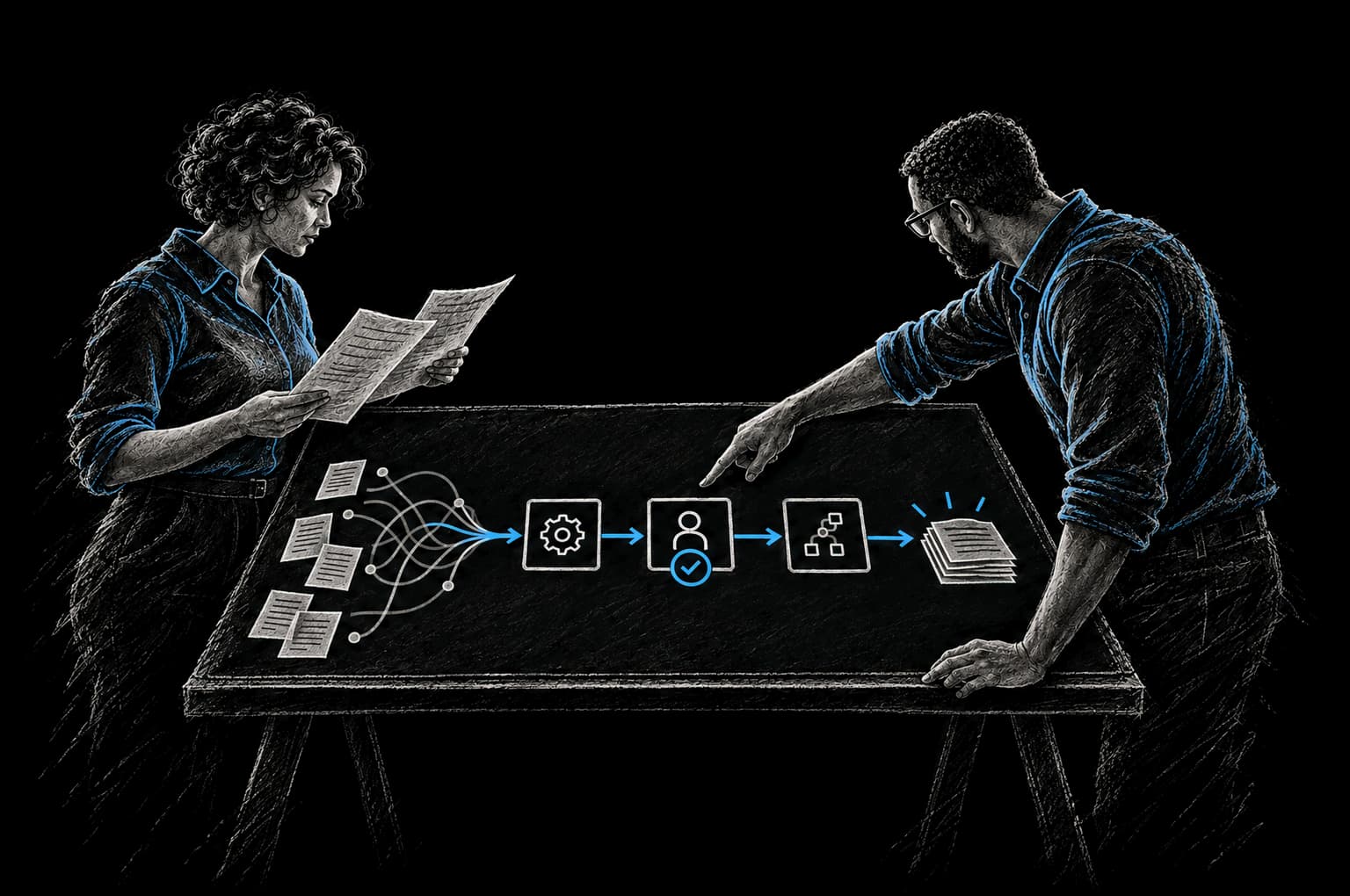
The architecture is straightforward: operational systems feed data into a communication hub, which triggers messages based on rules you define.
Your CRM tracks customers and deals. Your project management tool tracks work. Your accounting system tracks invoices and contracts. Your e-commerce platform tracks orders.
These systems don't talk to each other by default. But they can. A workflow automation platform (like n8n) monitors your operational systems. When something happens (a status change, a date milestone, a payment event), the system evaluates your communication rules.
For example:
- If (Invoice.status = "30 days overdue") then send_email(customer.primary_contact, template="payment_reminder_30_days")
- If (Project.status = "Complete") then send_email(customer.primary_contact, template="project_completion")
- If (Contract.renewal_date - today = 60 days) then send_email(customer.account_owner, template="renewal_reminder_60_days")
These rules are simple to define. Once they're in place, messages go out automatically, consistent and on time, however many customers you have.
What Gets Better
McKinsey found (opens in a new tab) data-driven organizations are 23 times more likely to acquire customers, six times as likely to retain them, and 19 times as likely to be profitable. Here's what changes when customer communication is integrated with your operations.
Support volume drops. When customers know their order shipped because they got a notification, they don't call to ask. When they know an invoice is overdue because you reminded them, they don't need support to chase them. Inbound "where does this stand?" inquiries fall.
Customer satisfaction improves. Customers feel kept in the loop. They see progress. They don't feel like projects disappear into a black hole.
Retention improves. Customers who receive proactive communication are more likely to renew. Customers who feel neglected shop around. A timely renewal reminder gives customers room to plan instead of a surprise bill.
Sales velocity improves. Your sales team spends less time chasing prospects for updates (because the system sends them). They spend more time selling. And deals are more likely to close because prospects stay engaged.
Revenue is more predictable. Because renewal reminders are sent systematically, renewal rates become more predictable. Because payment reminders are sent automatically, AR improves. Cash flow becomes more predictable.
How InTech Approaches Customer Communication
We build communication systems that connect your operational data to your customers.
We start by understanding what messages you need to send and when. That comes from conversations with your team about customer touchpoints. What happens when a deal closes? What happens when a project starts? What happens when a milestone is hit? What happens at renewal time?
Then we map those events to your operational systems. Where does that data live? In your CRM? Your project tool? Your billing system? We create connections (using APIs and automation) so data from those systems flows into a communication hub.
Then we define the rules. When X happens, send message Y to customer Z.
Finally, we monitor and measure. We agree on the baseline and the target with you before work starts, and report the result against that baseline. We track email open rates, click rates, and (most importantly) customer behavior. Did the renewal reminder increase renewal rate? Did the project completion message reduce inbound support? We iterate based on what the data tells us.
We use the CRAFT methodology: we understand your Context (your current communication gaps), define the Rationale (what messages matter and when), Automate the work, Fortify it so it's reliable, and add Telemetry so you can see what's working.
Frequently Asked Questions
Won't automated messages feel impersonal?
The opposite. Automated messages are sent consistently to everyone, which is more fair and professional than inconsistent manual communication. And you can personalize templates with customer names, account details, and context. The message feels personal because it's relevant and timely.
How do we handle opt-outs?
All communication systems should include easy opt-out mechanisms. Customers who don't want renewal reminders shouldn't get them. Customers who prefer phone calls to email can be excluded from email sequences. The system respects preferences while maximizing the value of communication for customers who want it.
What if a customer doesn't want automated messages?
Some customers prefer traditional communication. You set that in their account preferences. They don't receive automated messages. But most customers prefer getting timely, relevant, automated updates over being forgotten about.
How much data do we need to integrate?
You start simple. Integrate one or two systems (maybe CRM and billing) and automate one or two message types. As you see results and build confidence, you add more systems and more message types. It's an iterative process.
What about timing? Are message times customizable?
Yes. You can set rules around when messages are sent. A renewal reminder might be sent 60 days out. A shipment notification might be sent immediately. An overdue payment reminder might be sent at specific intervals (15, 30, 45 days). You define the logic.
From Friction to Proof
Bring us the part that’s getting in the way.
Tell our AI agent what you want to improve. We’ll help you find a useful first step.
Start with our AI agent. Find your next step.